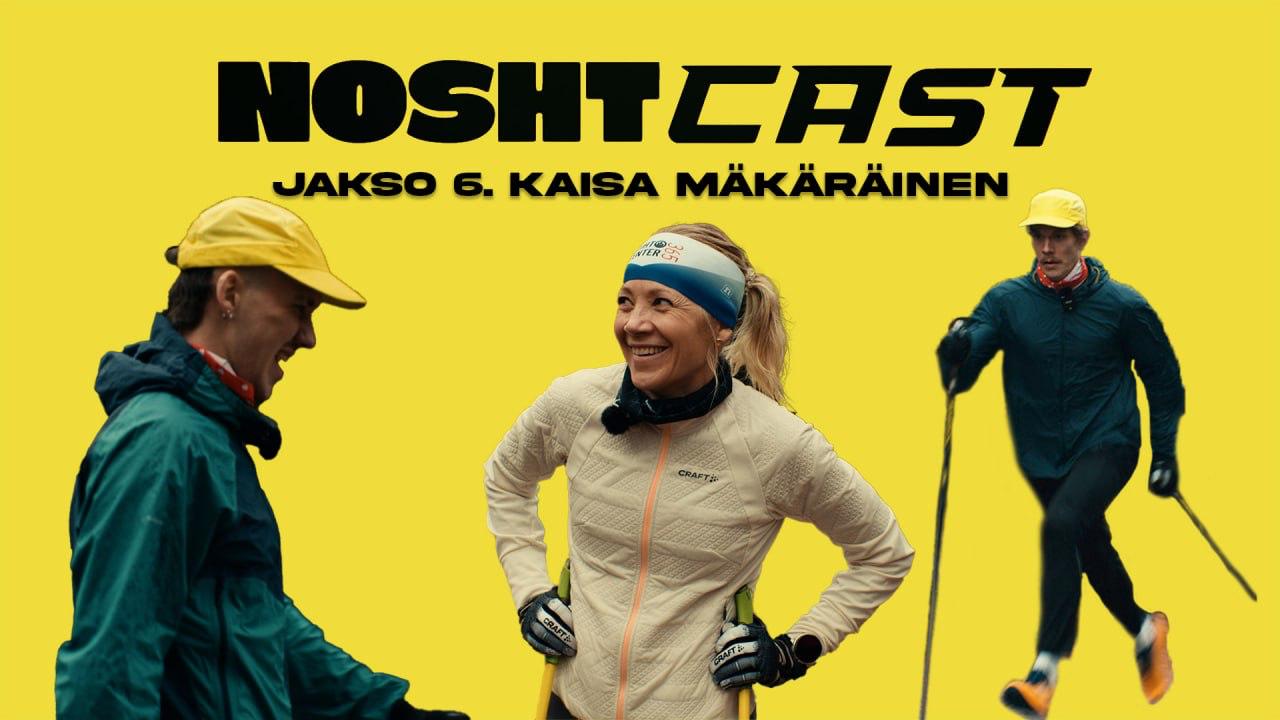
NOSHTCAST #6: Kaisa Mäkäräinen – Christmas special
In the final NOSHTCAST episode of the season, we do things a little differently. Kaisa Mäkäräinen joins us as a guest, and we head out onto the trails around Oittaa ski centre for a ‘ski workout’ with poles. It is an honest Christmas special in the sense that there is no snow on the ground, but the mood is still thoroughly festive: breath steams in the air, legs feel heavy, and the conversation makes it clear that we are getting to the heart of the sport. This episode is built like many a good training day: first we do the work, then we explain why.
Kaisa Mäkäräinen is known as a biathlon world champion and overall World Cup winner – an athlete who spent years in a world where small margins decide the outcome and ‘pretty good’ is not enough. That is precisely why this episode is also interesting for people who do not follow biathlon closely. Kaisa talks about elite sport in a way that goes beyond motivational speeches and into practical thinking: how training is structured, how performance is assessed, how to live with pressure, and how to organise everyday life so that results are possible in the first place.
During the workout, Kaisa also gives us hands-on technique coaching. It is one of the best parts of the episode, because technique does not remain an abstract instruction to ‘do better’: it becomes tangible straight away. We go through what ‘good’ pole work actually means, where to focus if the aim is efficient movement and a better feel, and how small adjustments immediately change how the movement feels and looks. That is why the episode works as both entertainment and a learning resource: you can watch, recognise your own habits and take one simple adjustment into your next workout.
A major theme of the episode is training as a whole. In endurance sport, many people see only the ‘long sessions’, but in reality it is about thinking, rhythm and managing the training load. Kaisa explains what a training season looks like when days involve hours of exercise, with shooting practice on top of that in biathlon. The sport’s particular added pressure also comes up: how do you keep your head together when you need to be physically sharp and mentally calm at the same time? Biathlon is an unforgiving reminder that when your heart rate is high, your decisions, routines and nervous system are put to the test too.
Coaching and interaction are another angle in the episode that will resonate with many people beyond sport. Kaisa talks about ‘reading’ an athlete: when to demand more, when to reassure them, and why the same words can help one person but overwhelm another. There is something essential here about performance in general. Having the ‘right’ programme is not enough if the person following it cannot make it work. This way of thinking also makes the episode interesting for coaches, team managers and anyone who works towards goals with other people.
Pressure and nerves are explored through the realities of race day rather than left at a general level. What does it feel like to step up when you know that the result comes down to small details? What happens when your body is not at one hundred per cent, but your performance still needs to feel assured? At these points, the episode becomes particularly honest, because in elite sport, ‘this is not a perfect day’ is often the norm rather than the exception. What matters is how you respond.
An unexpected and interesting detour is food and simple routines. Kaisa describes how ‘simple basics’ become a strategy over the years: what you eat, how you eat, and how that starts to shape training camps, travel and the structure of everyday life. There is also the legendary ‘potatoes and elk meat’ story, and the moment when you begin to wonder whether there could be something beyond the same old routine. What is interesting about the food discussion is its tone: no gimmicks or hype, just practicality and consistency. That thinking is directly connected to performance, but also to how you keep living the training life year after year.
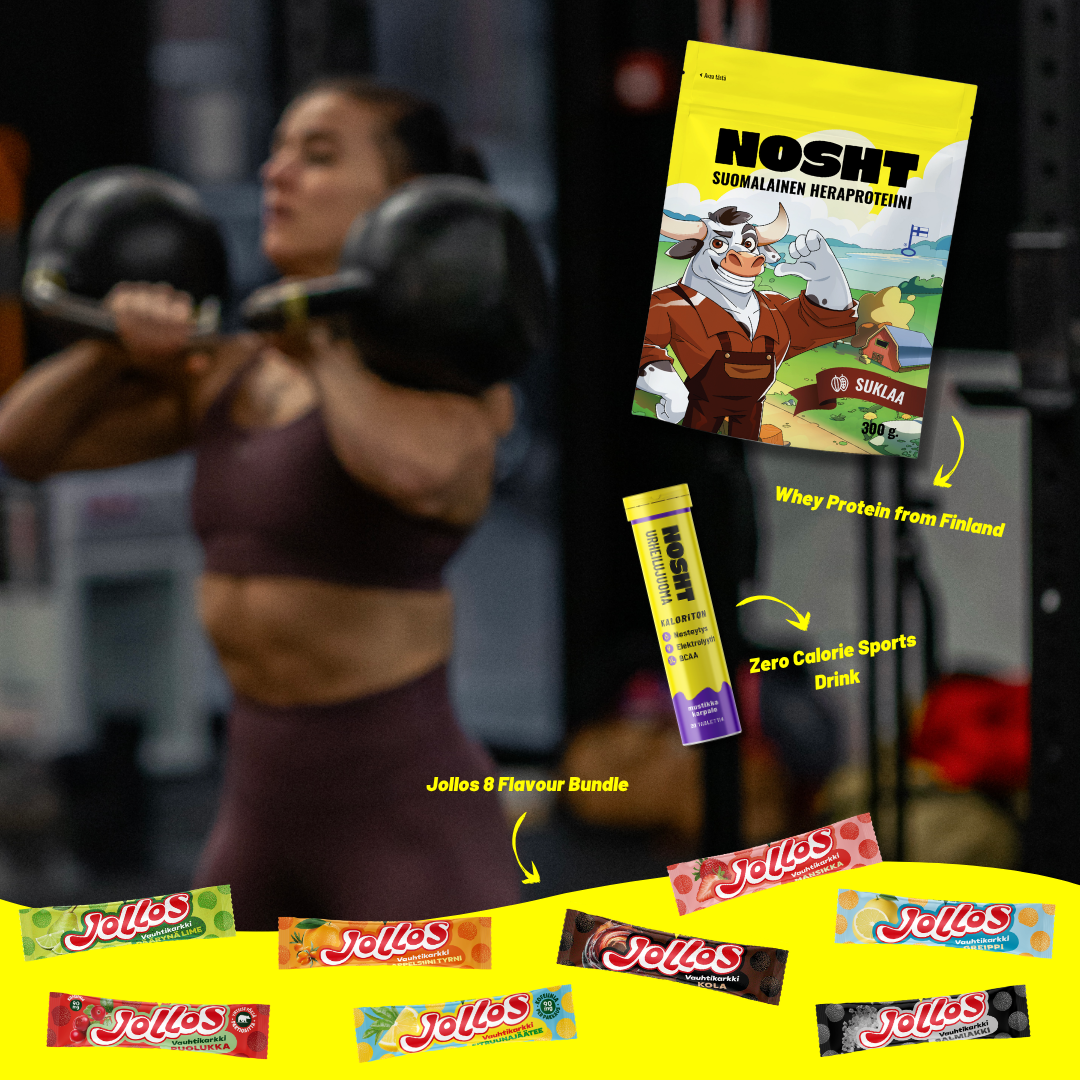
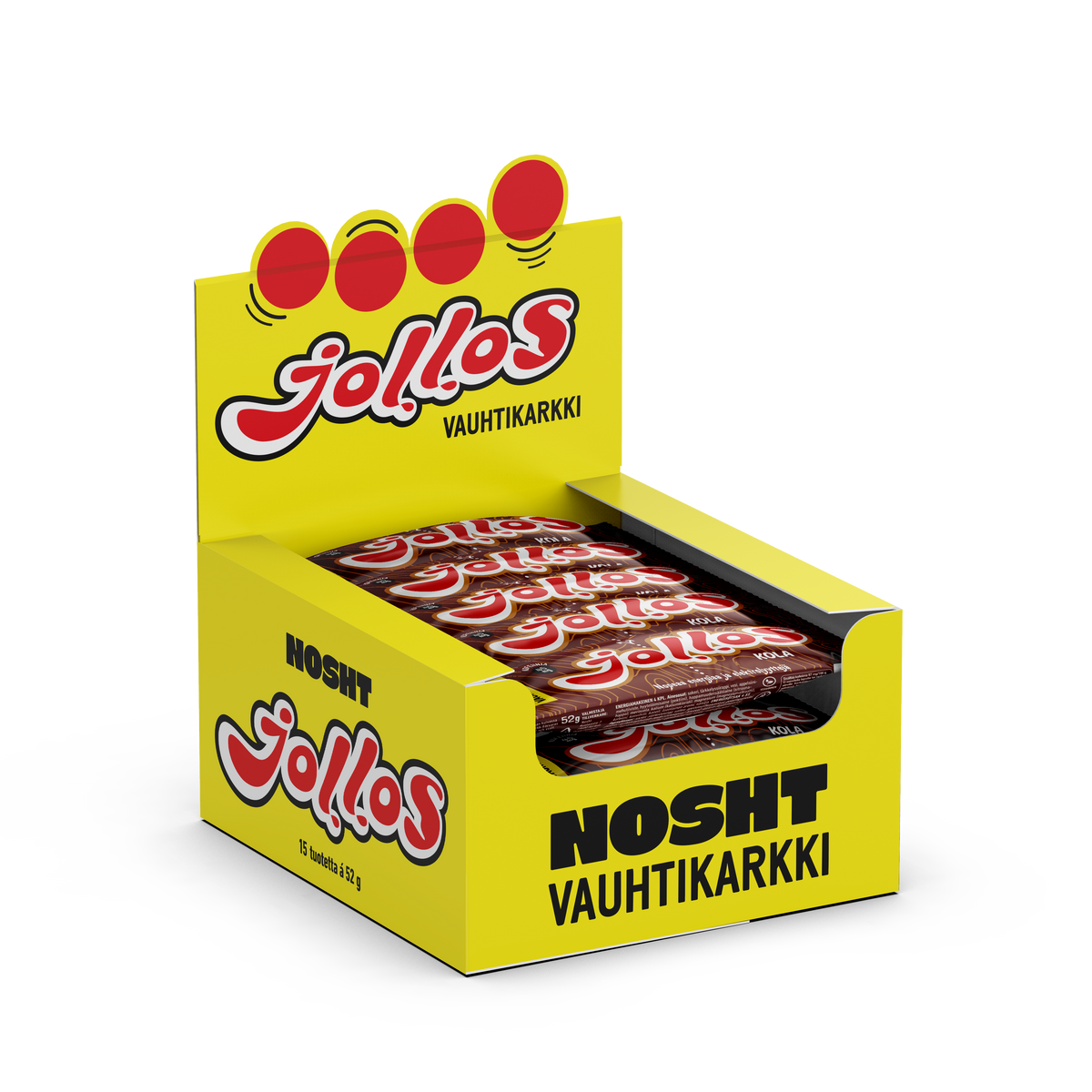
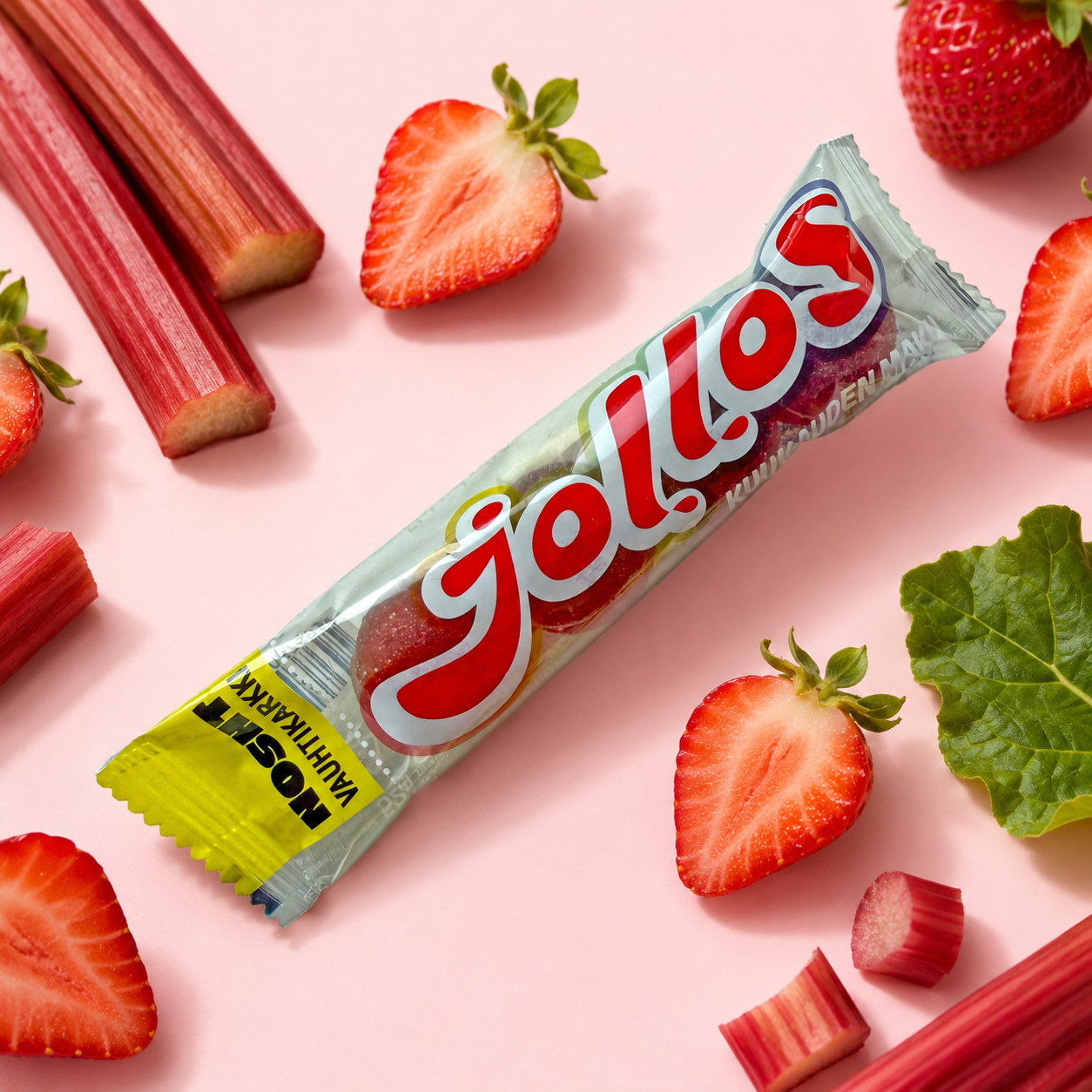
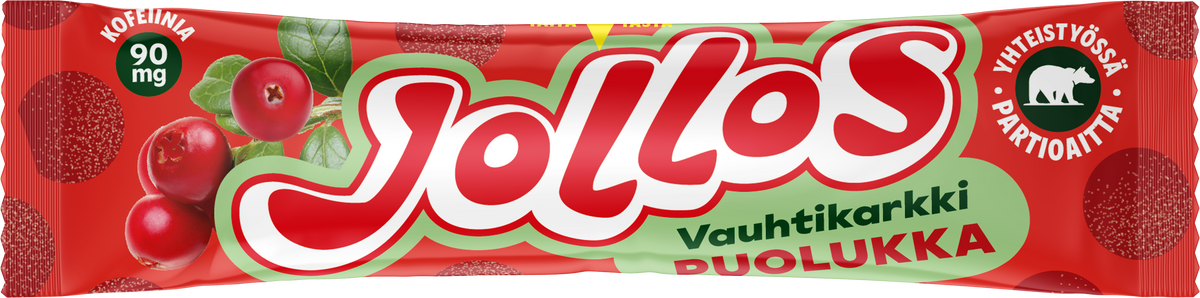
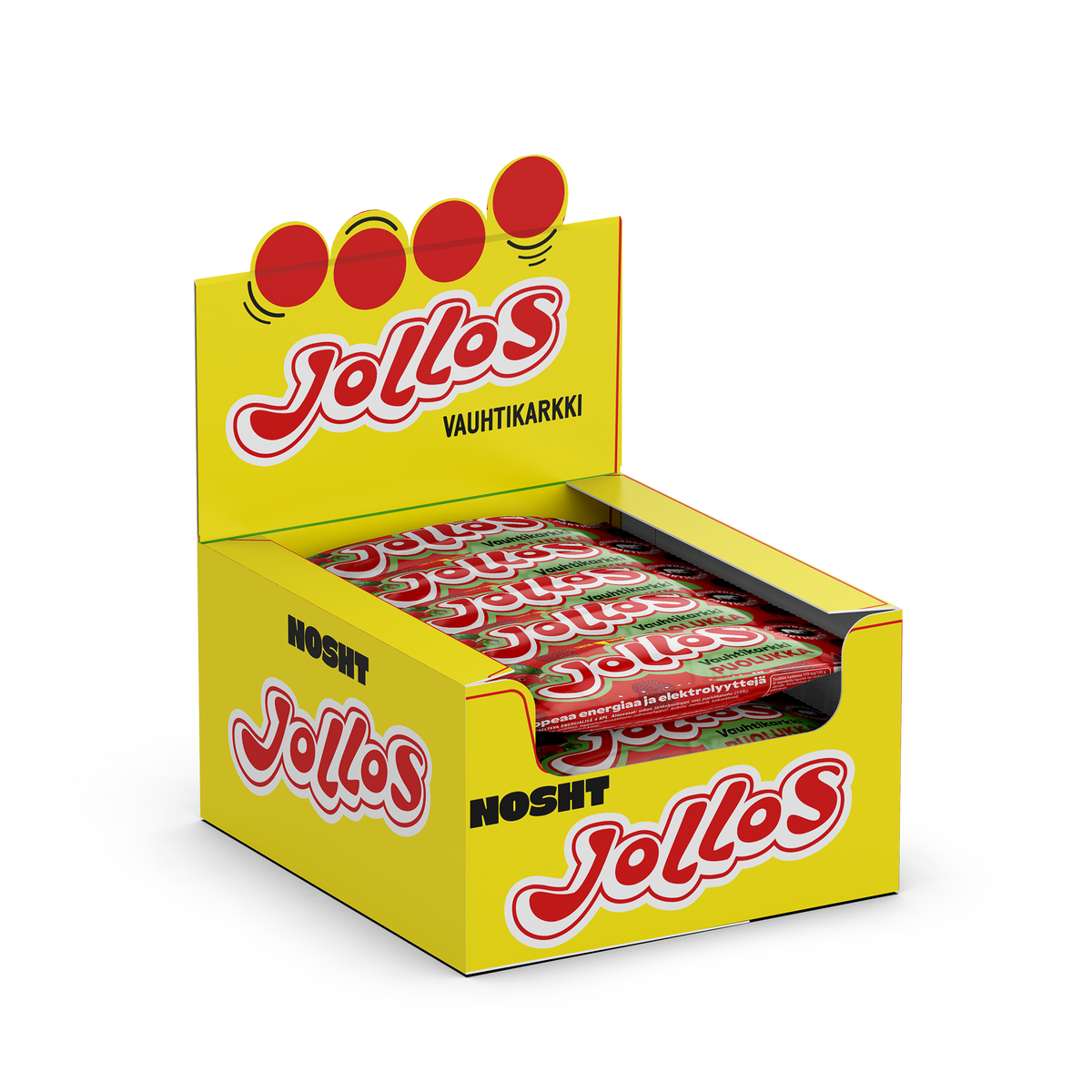
Energy is a practical matter, not just a feeling. As training volume increases, daily life gets busy and you want to maintain the quality of your sessions, the details of energy intake and recovery begin to matter. Jollos is designed specifically to provide a simple, portable source of energy for training without the fuss. If you are heading out for a pole workout, a long run, the gym or even the ski slopes, Jollos offers exactly the ‘basic dependability’ that Kaisa represents in this episode: take it with you, use it when you need it, and keep going. The most important thing is not one perfect day, but being able to do good work again and again.
At the end of the episode, the essence of sporting culture comes together in one sentence: ‘Every chance is an opportunity.’ It is both a joke and a truth. In training, racing and everyday life, opportunities do not always look glamorous, but they are still opportunities. This episode left us feeling that a Christmas special without snow was, in the end, just the right way to close the season: honest, practical and the kind of conversation that makes you want to get moving yourself.
Watch NOSHTCAST #6: Kaisa Mäkäräinen
If you enjoyed this episode, subscribe to the channel and leave a comment below telling us who we should invite as a guest next season.
Merry Christmas from Jussi & Tatu!